Objective
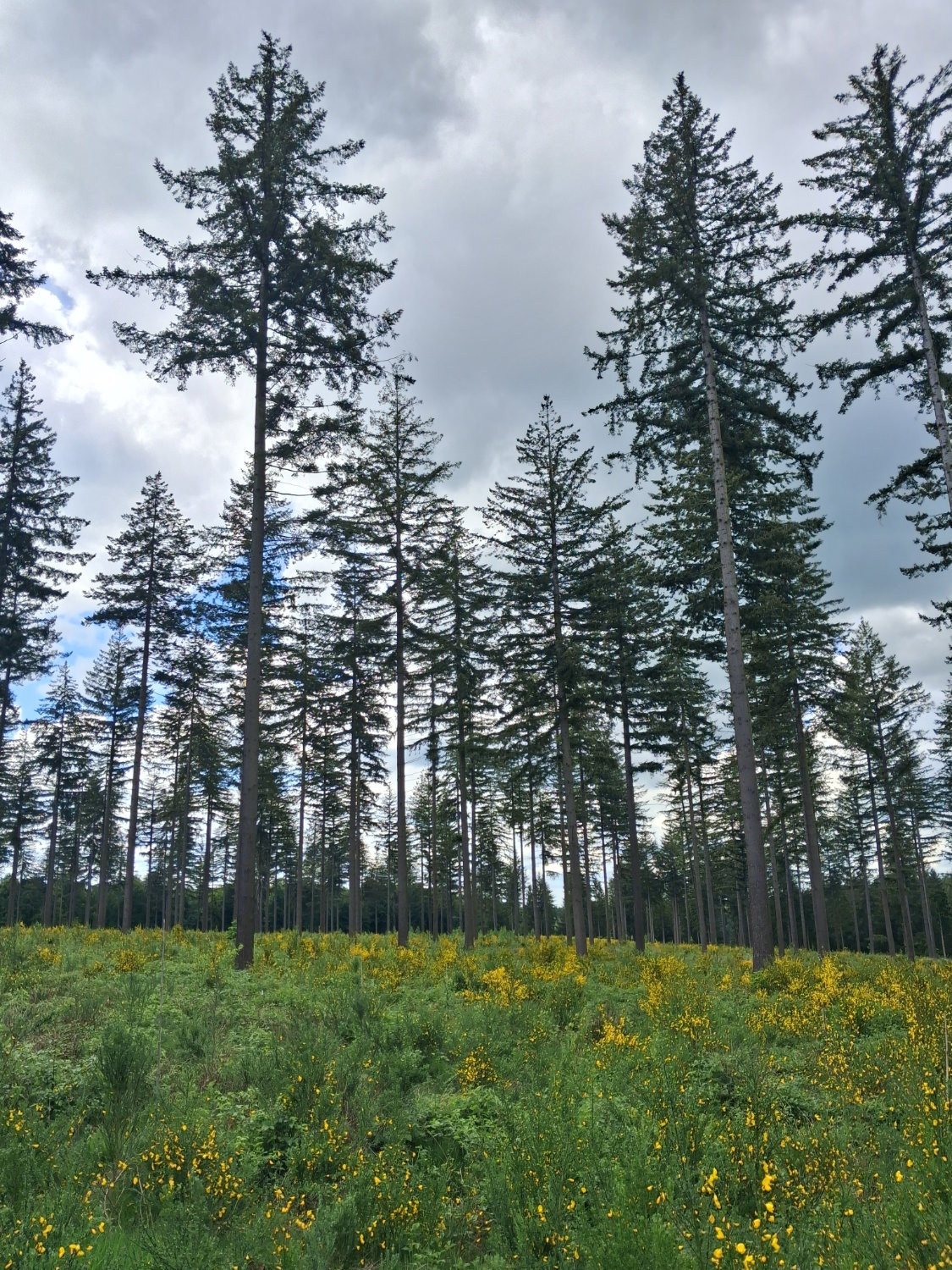
Natural regeneration allows for the cost-effective renewal of stands, but for it to work, it requires diversified and quality seed-bearing trees. During this training, we will observe successful natural regeneration experiments of different species (larch, birch, spruce, oaks, etc.). We will also look at how to diversify seedlings by planting them in different ways (in lines, in cells, isolated, on the woodland edge, etc.) with species not yet present in the surrounding stands (Thuya, Maple, walnut, pines, etc.). The maintenance of natural seedlings will also be discussed.
Speakers
- Ramon Reyntiensowner
- Julie Losseau, Project Manager Trees for Future and MigFoRest, RFSB
- Nicolas Dassonville, RFSB
Program
| 9:00 AM | Welcome for participants and visit of a successful natural regeneration of larch and birch |
| 10h00 | Linear arrangement of red oak, thuya and maple seeders, identification of second-generation seedlings and their maintenance |
| 11:00 AM | Checkerboard mixed planting device |
| 12:30 AM | Picnic (bring your own) |
| 1:30 PM | Douglas regeneration route supplemented by seeds from different species (Salzmann pine, Brutian pine, maple, sweetgum...) |
| 15h00 | Leafy natural regeneration from nearby beech, maple and oak trees. |
| 3:30 PM | Natural regeneration of black walnut and conclusions |